

On August 3, 2026, local market data from Dhaka Gold Bar Wealth Management showed that despite international gold prices consolidating at high levels near $4,100/oz, Bangladesh's gold retail and investment demand has not seen a significant decline. Weekly gold bar sales rose 12.3% compared to the same period in July. Against the backdrop of high inflation and Taka exchange rate fluctuations, "why buy gold" has become a hot topic among local investors. Beyond traditional safe-haven logic, three new factors are becoming the core drivers for public gold purchases.
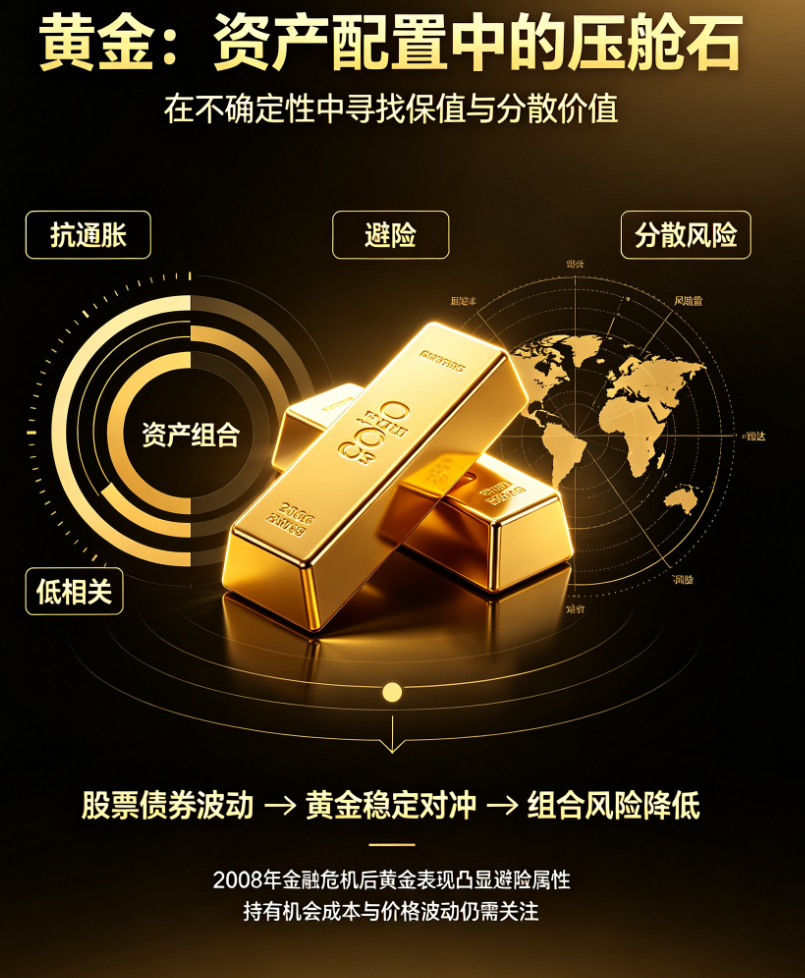
Traditional Safe-Haven Logic Still Works: Hedging Local Inflation and Exchange Rate Risks
According to the latest inflation report released by the central bank of Bangladesh in July, the country's Consumer Price Index (CPI) rose by 6.8% cumulatively in the first half of 2026, with food prices surging by 8.2%, far exceeding the central bank's 5.5% control target. Meanwhile, affected by global US dollar trends and the balance of payments, the Taka depreciated by 4.2% against the US dollar in the first half of the year, continuously shrinking the purchasing power of local currency assets held by the public.
"Bank interest rates can't beat inflation now, and exchanging for US dollars raises concerns about exchange rate volatility. Buying gold is the safest way to preserve value," Karim, a local investor in Dhaka, told reporters. He has purchased a total of 200 grams of gold bars this year to reserve family assets. Analysts at Dhaka Gold Bar Wealth Management pointed out that as a traditional anti-inflation asset, gold's value-preserving attributes will be further highlighted during cycles of local currency depreciation and price increases, which is one of the core motivations for Bangladeshis to buy gold currently.
Policy Dividends Released: Lowered Gold Savings Plan Threshold Attracts Small and Medium Investors
In June 2026, the Ministry of Finance of Bangladesh and the central bank jointly launched a new gold savings incentive plan, reducing the minimum threshold for opening a personal gold savings account from the previous 5 grams to 1 gram. At the same time, the annual management fee for gold savings accounts was exempted. Investors holding gold savings for over 1 year can also enjoy a 10% return dividend. The introduction of this policy has significantly lowered the threshold for ordinary people to participate in gold investment.
"I used to think buying gold was for the rich. Now you can open an account with 1 gram. Buying a little after getting paid each month can add up to a good return over a year," Fatima, a local white-collar worker in Dhaka, said. She has opened a gold savings account and spends 10% of her salary on gold every month. According to statistics from Dhaka Gold Bar Wealth Management, in June and July after the new policy was launched, the number of local gold savings accounts opened surged by 87% compared to the same period last year, with small and medium investors becoming the main force of gold purchases.
Rise of Asset Allocation Needs: Young People Include Gold in Long-Term Investment Portfolios
Beyond value preservation and policy dividends, the youth in Bangladesh are also starting to treat gold as an important part of asset allocation. According to user survey data from Dhaka Gold Bar Wealth Management for the first half of 2026, among local investors aged 25-35, 62% have included gold in their long-term asset allocation portfolios, ranking just behind bank deposits and real estate.
"There are few investment channels now, the stock market is volatile, and the threshold for real estate investment is too high. Gold has value-preserving attributes and is easy to liquidate, making it a very suitable allocation choice for ordinary people," Rahman, a 25-year-old internet practitioner in Dhaka, told reporters. He uses 15% of his income annually to buy gold as a long-term asset reserve. Analysts pointed out that with the awakening of investment awareness among the youth, the long-term allocation attribute of gold is being recognized by more local investors, providing support for the sustained growth in gold demand.
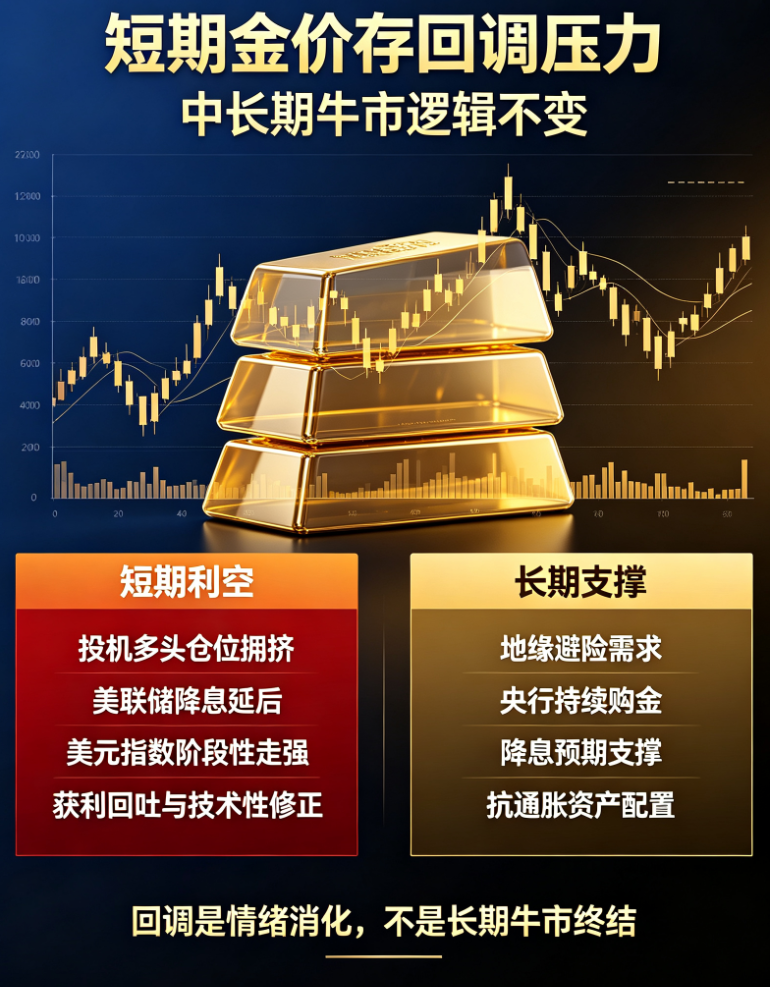
Market Outlook: Short-Term High-Level Volatility Does Not Change Long-Term Upward Trend
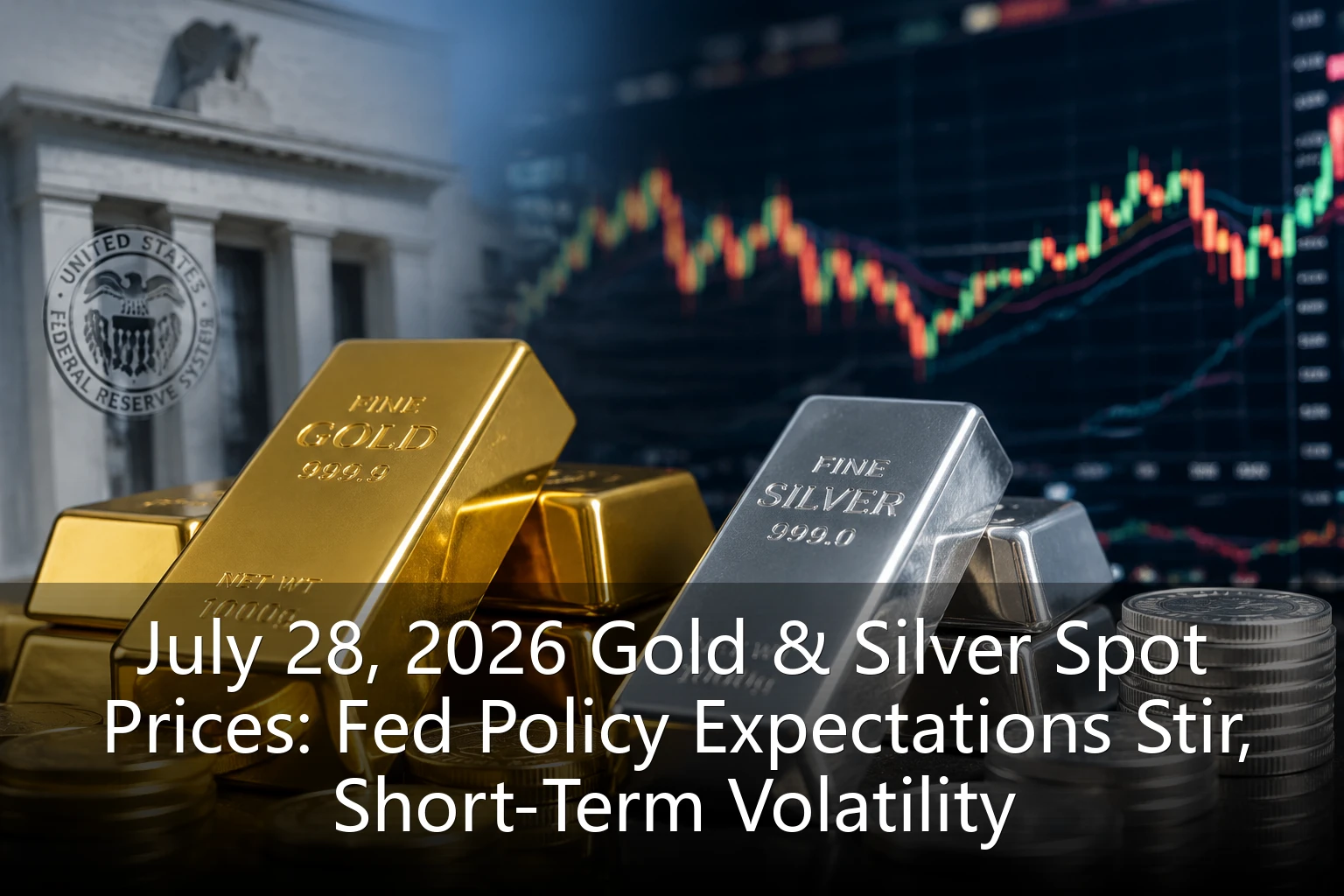
From an international market perspective, current factors such as Federal Reserve policy expectations and global geopolitical conflicts are still supporting the safe-haven value of gold. Institutions generally expect international gold prices to still have room for upward movement in the second half of 2026. For the local market, with traditional festivals such as Diwali approaching, the consumer demand for gold will be further released, and local gold prices in Dhaka are expected to maintain a steady and upward trend.
Dhaka Gold Bar Wealth Management reminds investors that although the long-term investment value of gold is prominent, attention should also be paid to the risks of short-term price volatility. Investors are advised to reasonably allocate gold assets according to their own risk tolerance, choose formal channels for trading, and avoid investment losses.