

US CPI Triggers a Sharp Turn Higher in the Gold Market: Safe-Haven Logic and Rate Expectations Once Again in Play
Keywords: gold market; US CPI; spot gold; Federal Reserve policy; inflation expectations; safe haven asset
Introduction
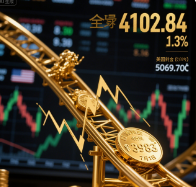
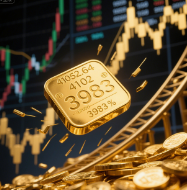
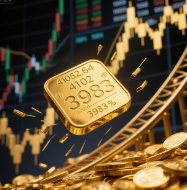
The global gold market has recently seen a classic roller-coaster move. Spot gold briefly fell to its lowest level since July 1 at 3,983 dollars per ounce during the session, and market sentiment turned clearly bearish for a time. Some investors began to worry that a short-term pullback in gold prices was already underway. However, after the June US Consumer Price Index (CPI) data were released, the trend quickly reversed. Gold surged strongly, touching a high of 4,102.82 dollars per ounce, and finally closed at 4,052.64 dollars, up 1.3% on the day. US gold futures also strengthened, with the main contract settling up 1.6% at 4,069.70 dollars.
1. From a sharp pullback to a strong rebound: why gold moved so violently
As a classic safe-haven asset, gold prices are influenced not only by geopolitics and risk appetite, but also heavily by changes in US macro data and interest-rate expectations. The session drop to the low reflected profit-taking before the data release, while the dollar trend, real-rate expectations, and technical pressure also weighed on prices.
But after the CPI data came out, the market's trading logic shifted quickly. Investors began to reassess the path of US inflation and the Federal Reserve's policy room, giving gold strong support. This rebound was not just sentiment repair; it was a real-time reflection of changing macro expectations in prices.
2. Why CPI data can reverse market sentiment
For gold, the significance of CPI is not just inflation itself, but the way it directly affects the Federal Reserve's policy stance. If inflation cools or comes in line with expectations, it usually increases the market's imagination of future rate cuts, which then lowers real yields and makes gold more attractive to hold. By contrast, if inflation remains stubborn, gold tends to come under pressure.
This move showed that the market did not interpret CPI as a signal strong enough to raise long-term tightening expectations; instead, it focused more on the impact of the data on the marginal shift in policy. That is why gold quickly moved away from the lows after the release, and funds flowed back into the precious metals sector. In short, this rise-then-fall pattern was fundamentally the result of both rate expectations and safe-haven demand.
3. Gold's medium- and long-term trend still depends on three variables
Looking over a longer cycle, gold still depends mainly on three variables.
First, the Federal Reserve's policy path. If later data continue to support easing expectations, gold still has a chance to remain strong.
Second, the dollar and real interest rates. A weaker dollar and lower real rates usually form an important basis for gold's rise.
Third, global uncertainty. Whether it is geopolitics, financial market volatility, or slower growth in major economies, each can strengthen gold's safe-haven role.
That said, gold is already trading in a high-volatility range, and both fund flows and technical factors may amplify short-term swings. Especially during periods when key economic data are released in clusters, gold often sees sharp back-and-forth moves. Investors should not judge the trend solely from one day's move.
Conclusion
Overall, this gold move shows clearly that the precious metals market has entered a highly sensitive phase driven by data and shaped by expectations. Spot gold's quick rebound from 3,983 dollars to 4,102.82 dollars reflects the market's strong focus on US inflation data and policy prospects. In the short term, gold may continue to fluctuate around macro data releases; in the medium and long term, the real direction of gold will still be determined by the pace of Federal Reserve policy shifts and changes in the global risk environment. For investors, in an environment of rising volatility, tracking data, rates, and sentiment is the key to capturing the gold market.